
How Local Tree Service Contractors Handle Dangerous Situations
Tree care can involve significant risks, especially when crews work around unstable limbs, tall trees, electrical lines, buildings, or areas used by the public. Local tree service contractors are trained to evaluate these hazards before beginning work and to use appropriate procedures to reduce unnecessary risks. Their approach combines careful assessment, professional training, specialized equipment, communication, and detailed planning. Understanding how these professionals handle potentially dangerous situations can help property owners appreciate the preparation involved in pruning, removal, storm cleanup, and other tree-related projects.
Identifying Tree and Site Hazards
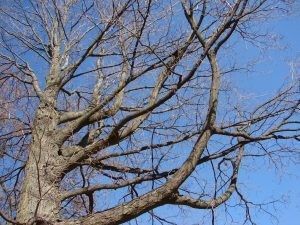
One of the first responsibilities of local tree service contractors is identifying conditions that could make a project hazardous. A tree may require closer attention when it has dead branches, visible decay, damaged roots, cavities, cracks, leaning sections, or evidence of previous storm damage. Tree species, age, overall condition, and surrounding soil can also influence stability. Because some weaknesses are difficult for an untrained observer to recognize, a detailed visual assessment is an important part of preparing for the work.
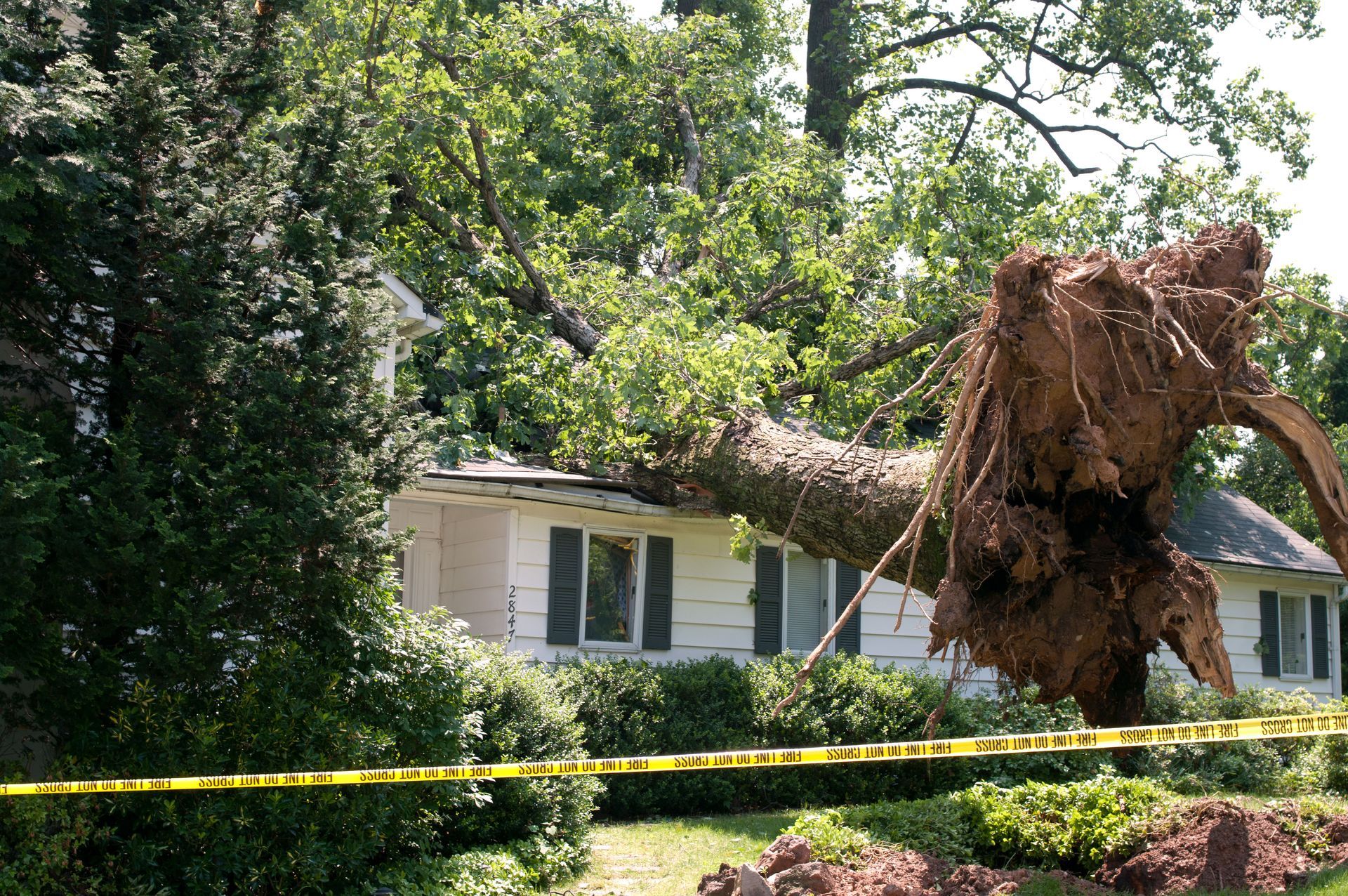
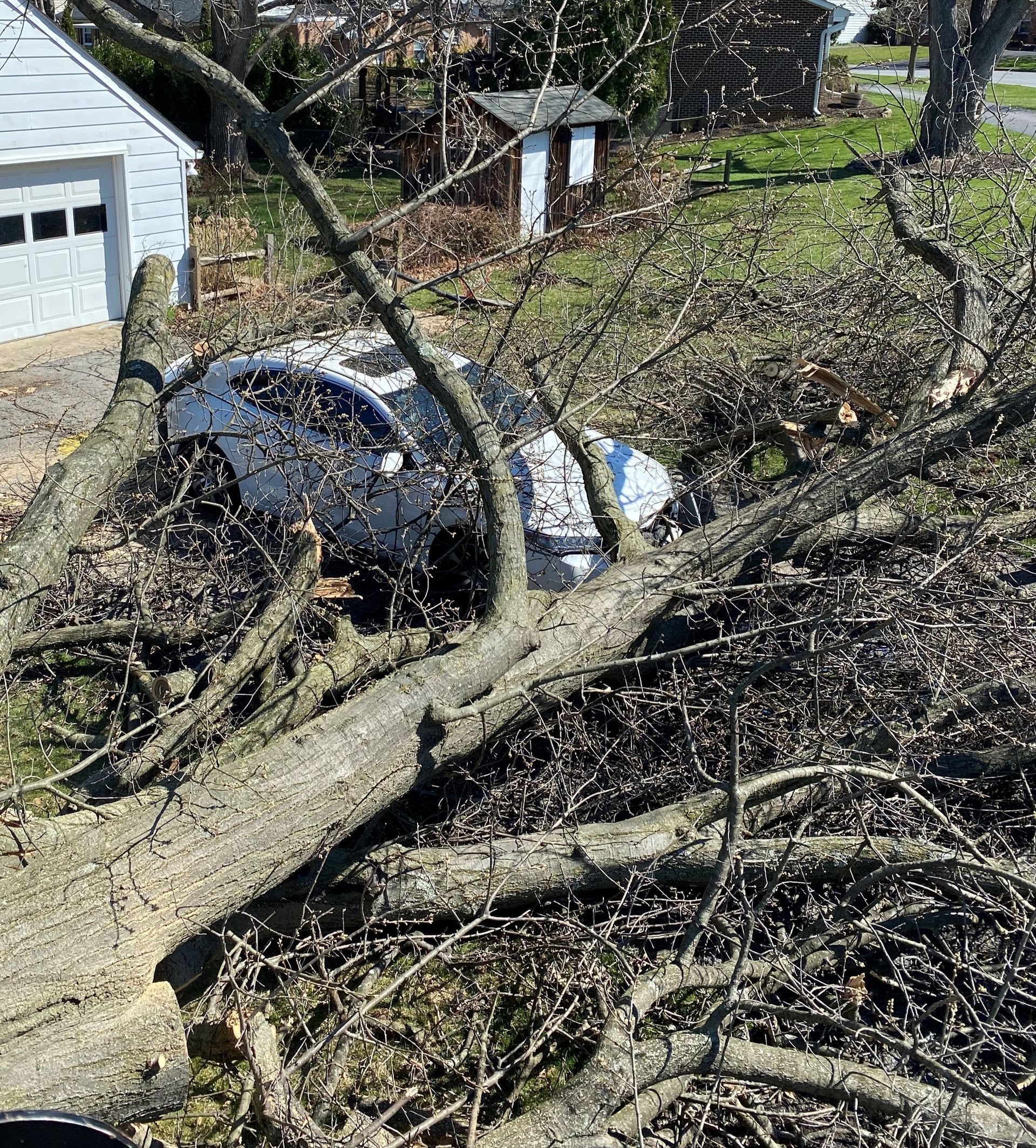
The surrounding property must be evaluated as carefully as the tree itself. Nearby power lines, buildings, vehicles, fences, sidewalks, roads, and pedestrian areas can affect how pruning or removal should proceed. Contractors may also examine slopes, soil stability, drainage conditions, and available equipment access. By considering the complete work environment rather than focusing solely on the tree, crews can determine where equipment should be positioned and how branches or trunk sections can be handled safely.
Disease and decay can further complicate tree work because affected wood may behave unpredictably when cut or placed under pressure. Discolored foliage, unusual growth, bark abnormalities, fungal activity, cavities, and dead sections may indicate a developing problem. Structural weaknesses such as cracks or split unions can also increase the possibility of sudden failure. Recognizing these warning signs helps crews select techniques suited to the condition of the tree.
Accounting for Weather Conditions
Weather is another important consideration when determining whether tree work can proceed safely. High winds can cause branches to move unexpectedly, while heavy rain may make surfaces slippery and soften surrounding soil. Lightning, ice, extreme temperatures, and storms can introduce additional hazards. Local tree service contractors may review forecasts before work begins and continue monitoring changing conditions throughout the project. Work can then be modified or postponed when environmental conditions create unnecessary risk.
Weather planning is particularly important for trees that have already been weakened by storms, decay, or structural defects. According to the International Society of Arboriculture (ISA), approximately 65% of homeowners invest in professional tree trimming specifically as a preemptive measure to prevent storm damage to their homes and power lines. Preventive evaluations and appropriate maintenance can help identify vulnerable branches before severe weather places additional stress on them.
Maintaining Professional Training and Preparation
Professional training provides workers with knowledge that can be applied when circumstances become complicated. Training may address tree biology, climbing techniques, cutting procedures, equipment operation, hazard recognition, electrical awareness, and emergency response. Rather than relying on a single technique for every tree, trained workers can evaluate conditions and adjust their approach according to the size, location, and structural characteristics of each project.
Certification and continuing education can provide additional opportunities for professionals to expand their knowledge. Industry standards, equipment, and tree-care practices can change over time, making ongoing education valuable. Training programs may combine classroom instruction with practical exercises that simulate situations crews could encounter in the field. Hands-on experience can help workers become familiar with equipment and procedures before facing similar circumstances on an active job site.
Emergency preparation is another important part of training. Crews may establish procedures for equipment problems, falling material, changing weather, injuries, traffic concerns, or unexpected tree movement. Clear procedures help workers understand who is responsible for stopping operations, contacting emergency services, securing the site, or communicating with property owners. Preparation can make responses more organized when conditions change quickly.
Using Appropriate Safety Equipment
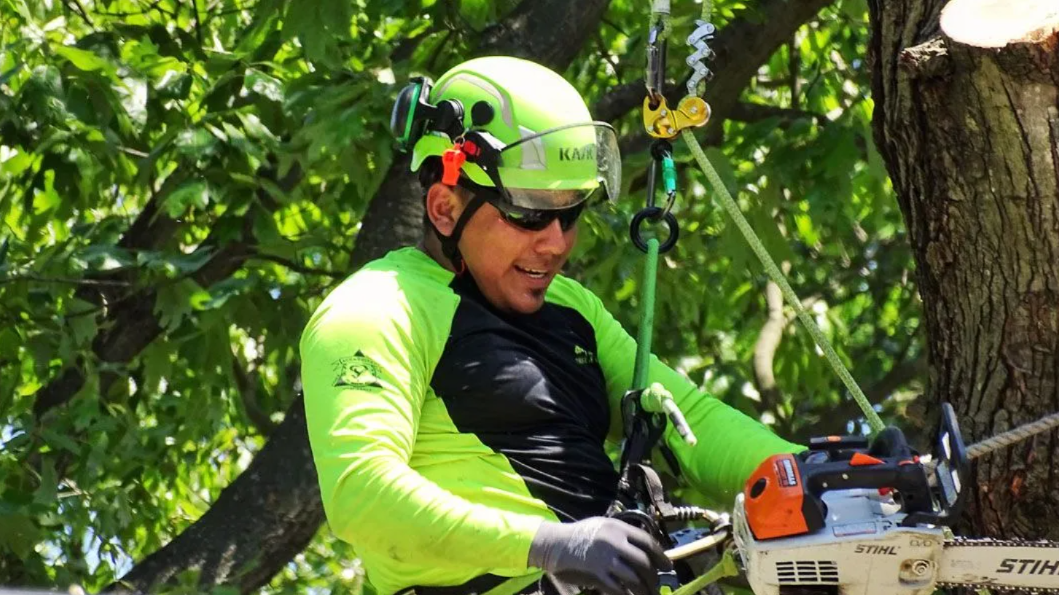
Personal protective equipment plays an important role in reducing exposure to common job-site hazards. Depending on the work being performed, workers may use hard hats, eye and hearing protection, gloves, protective legwear, appropriate footwear, climbing equipment, and fall-protection systems. Equipment must fit properly, remain in usable condition, and be appropriate for the specific task. Routine inspection can identify worn or damaged components before workers rely on them in hazardous situations.
Cutting equipment also requires careful selection and operation. Chainsaws, pole saws, pruning tools, and other equipment are designed for particular applications, and workers need to understand their limitations. Local tree service contractors may inspect cutting tools before a project and maintain them according to manufacturer recommendations. Appropriate tool selection can improve control and reduce unnecessary handling while branches and sections of wood are being removed.
Applying Specialized Machinery and Technology
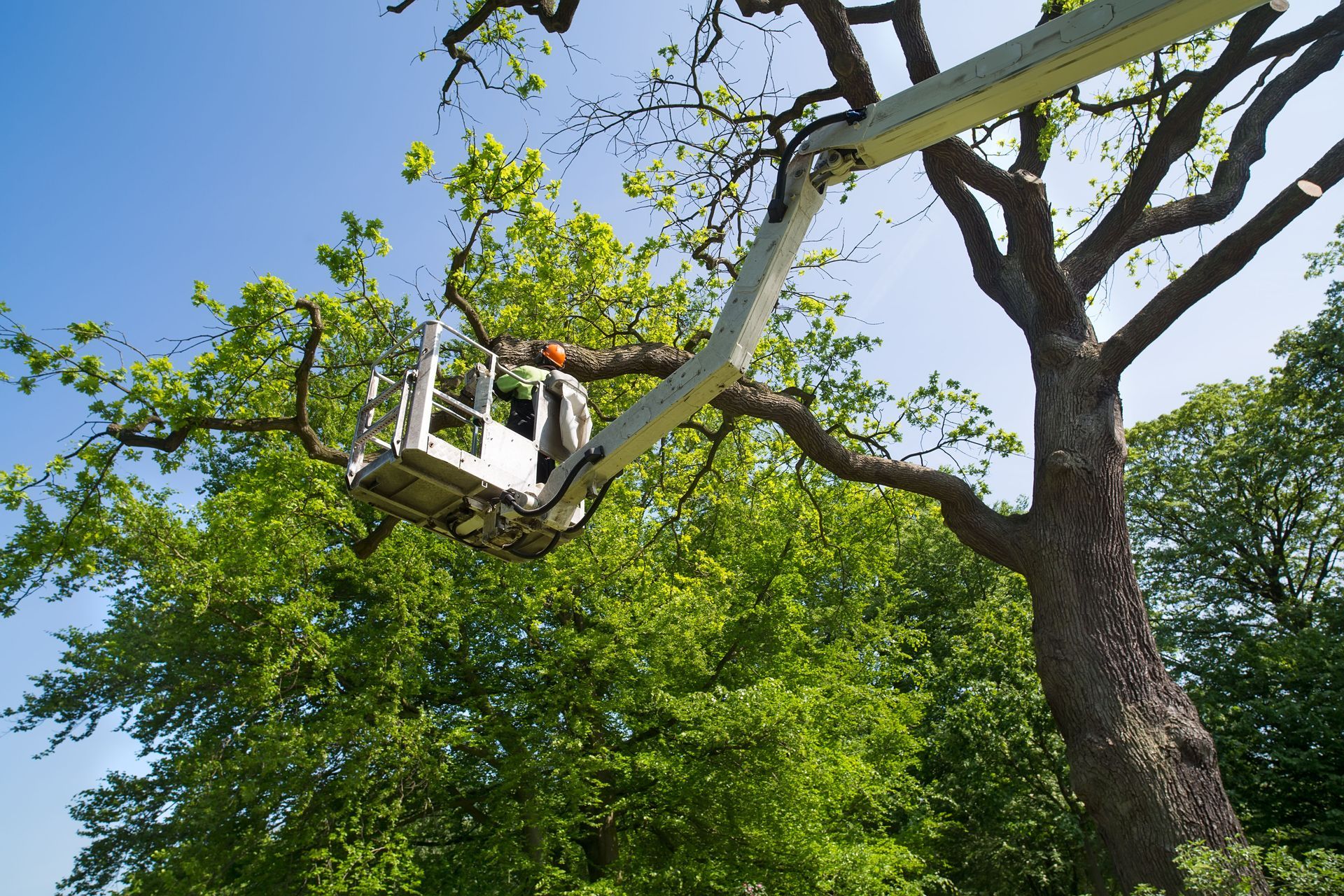
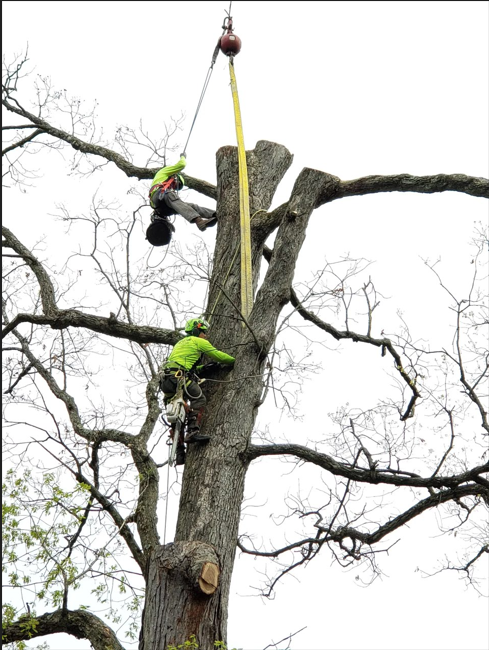
Some projects require machinery that allows workers to manage large or difficult trees more effectively. Aerial lifts can provide access to elevated sections when climbing is unsuitable, while cranes may be used to support and move heavy branches or trunk sections. Chippers, loaders, stump grinders, and hauling equipment can assist with other phases of the job. Operators need appropriate training because heavy machinery introduces its own set of hazards and requires sufficient clearance and stable positioning.
Technology can also assist with inspection and planning. In some circumstances, drones equipped with cameras may provide views of upper canopies or inaccessible areas without requiring a worker to climb immediately. Digital mapping, photographs, communication devices, and project-management applications can help crews document conditions and share information. These tools do not replace professional evaluation, but they can provide additional information that supports planning and coordination.
Planning Work Before Cutting Begins
Detailed planning is essential when a project involves numerous hazards. Before beginning work, local tree service contractors can conduct a safety briefing covering the tree's condition, surrounding obstacles, equipment placement, individual responsibilities, and expected sequence of operations. Team members can discuss communication signals and identify areas that must remain clear while branches or trunk sections are being lowered.
A risk assessment may consider both the likelihood of a hazard occurring and the potential consequences. For example, a branch located over an open lawn presents different concerns from one suspended above a roof, utility line, or busy roadway. After identifying the hazards, crews can establish appropriate control measures. This could involve restricting access, repositioning equipment, using ropes or rigging systems, or dividing the tree into smaller sections.
Contingency planning is equally important because conditions can change after work begins. Hidden decay may become visible after a cut, machinery may need to be repositioned, or weather conditions may deteriorate unexpectedly. A flexible work plan gives crews a framework for responding without improvising unnecessarily. Defined responsibilities also help workers understand who has authority to modify or stop the operation when new hazards appear.
Local tree service contractors manage dangerous situations through a combination of hazard identification, training, protective equipment, technology, communication, regulatory awareness, and careful planning. Every tree and property presents a different combination of conditions, so crews must adapt their procedures to the circumstances they encounter. By evaluating risks before and throughout a project, tree-care professionals can perform necessary work while prioritizing workers, surrounding property, the public, and the broader landscape. Contact our team at Mead Tree & Turf Care Inc today to get connected to our tree services.


Share On: