
Safeguarding Your Property Against Severe Summer Storms
Proactive Tree Care
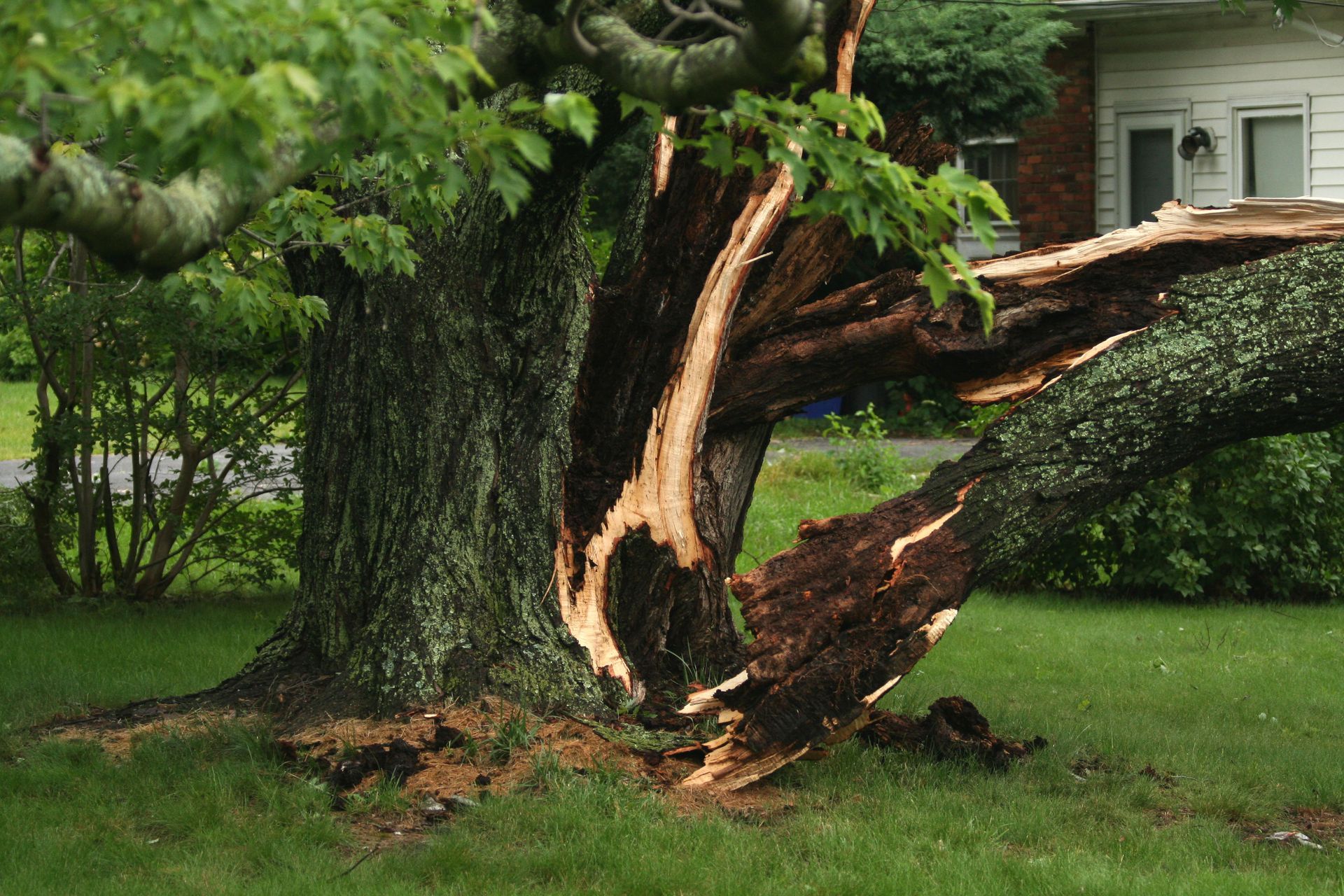
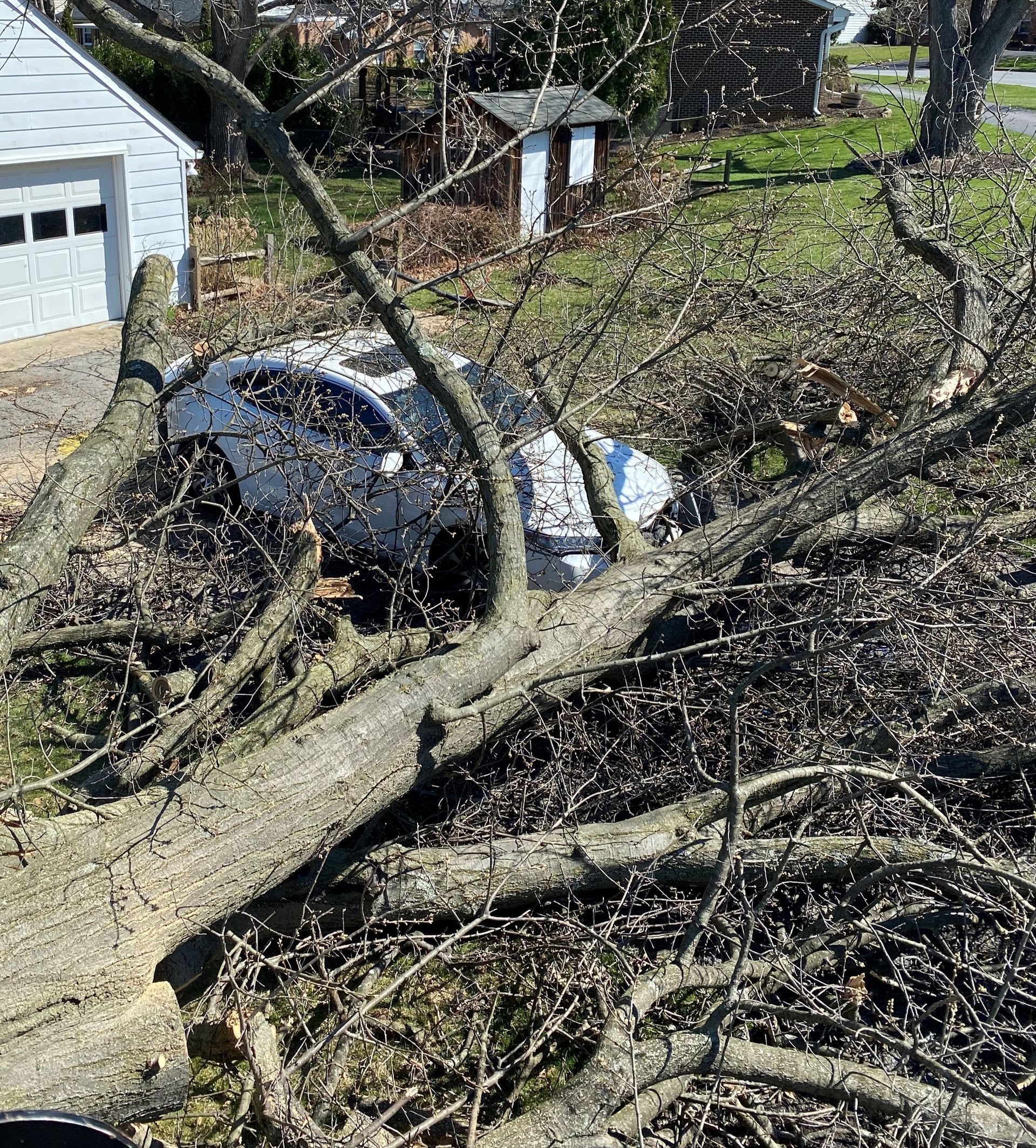
Summer in Maryland brings predictable patterns of high humidity, but it also brings increasingly unpredictable weather. From sudden microbursts and severe thunderstorms to the remnants of tropical systems, our local canopy takes a beating every year. As arborists serving Howard, Frederick, Montgomery, and Carroll counties, we frequently see the aftermath of these storms: blocked driveways from Frederick to Columbia, power outages from Woodbine to Ellicott City, and costly structural property damage that could have been entirely prevented. When a storm hits, healthy trees generally bend and adapt. When a tree fails, it is rarely a random act of nature—it is usually the final snapping point for a pre-existing structural weakness or underlying health issue.
The Anatomy of a Storm Failure: What We Look For
To protect your property, you need to know what to look for. During a professional pre-storm assessment, an ISA Certified Arborist evaluates the entire tree—from the root flare to the upper canopy—looking for specific red flags:
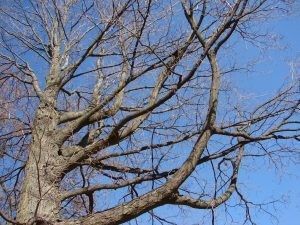
- Structural Defects and Co-Dominant Stems: Trees with V-shaped crotches (two large trunks growing close together) often have "included bark." This prevents the tree from forming a strong physical connection, making it highly susceptible to splitting right down the middle under high winds. Leaning and partially uprooted trees are also at risk.
- Poor Canopy Architecture: Species like the Bradford pear are notorious in Maryland for their dense, top-heavy canopies and weak branch attachments. Without regular structural pruning, they act like sails in a storm, catching the wind until the entire tree fails. White pines are subject to uprooting and branch breakage due to shallow root systems and long branches of soft wood.
- Decay and Internal Cavities: Deep cracks, hollow trunks, or wood-decay fungi (mushrooms) growing around the root flare indicate compromised structural integrity. The tree may look green on top, but it is hollow or rotting inside.
- Root System Compromise and Soil Saturation: Torrential rains saturate our Maryland clay, weakening the soil's grip on root systems. We look for "root heave" (soil lifting or cracking near the base) or recent construction damage that may have severed critical structural anchor roots.
- Deadwood: Large, dead limbs overhanging your roof, driveway, or power lines are immediate hazards. They lack flexibility and are the first things to snap when the wind picks up.
Mitigation: Pruning vs. Removal
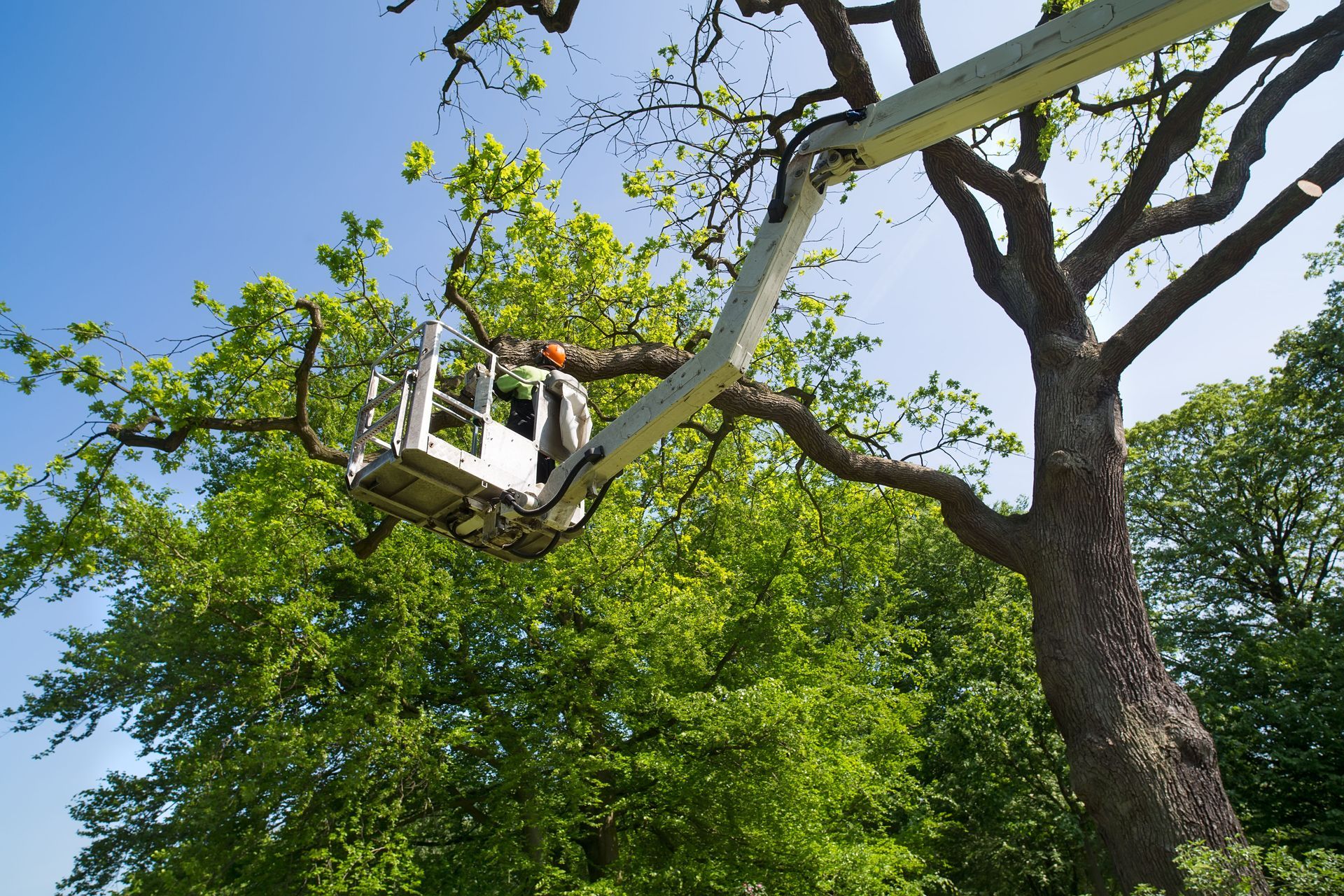
Our primary goal as arborists is always preservation. Through target tree pruning and canopy thinning, we can significantly reduce wind resistance and weight, allowing air to flow safely through the tree rather than pushing it over. However, if an inspection reveals a tree with extensive internal decay or leaning toward a structure, proactive tree removal is the safest, most responsible choice. Removing a hazardous tree on a calm Tuesday is a controlled, precise operation. Dealing with that same tree after it has crashed through a roof at 2:00 AM during a torrential downpour is a dangerous, chaotic crisis.
Rapid Response: Emergency Storm Damage Cleanup
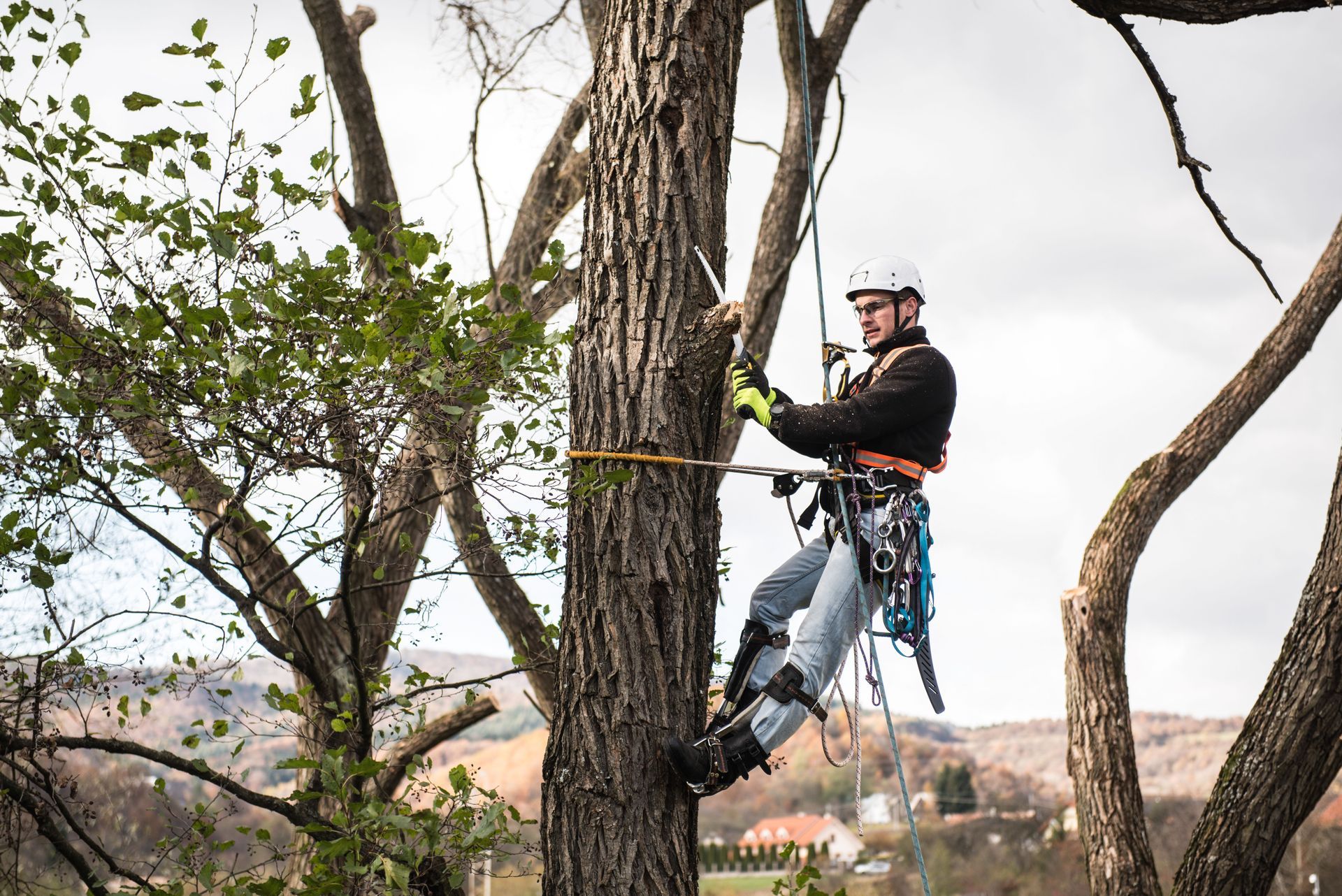
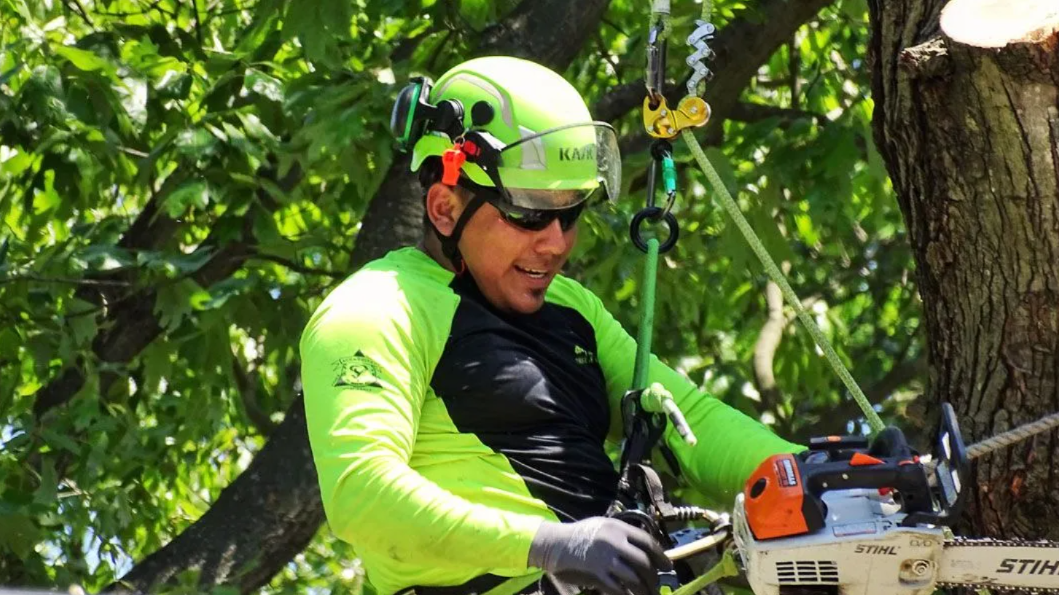
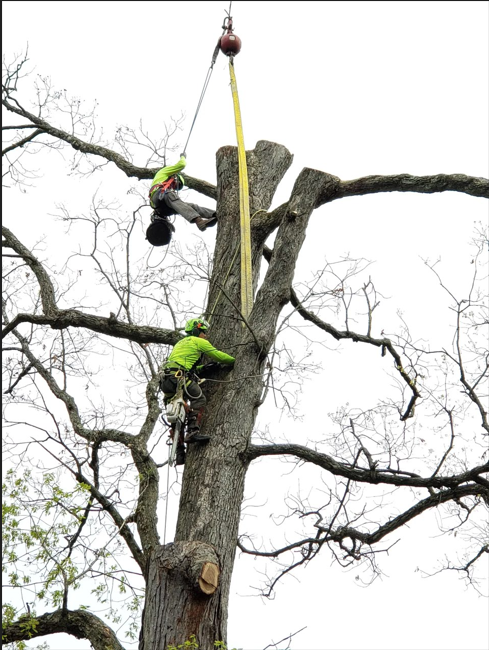
Even with the best preparation, extreme weather can occasionally override a tree's natural defenses. When disaster strikes, emergency tree removal requires specialized rigging equipment, crane operations, and a deep understanding of physics to safely remove tons of fallen timber from compromised structures without causing further damage. If you experience storm damage, stay clear of downed trees—especially those entangled in utility lines—and contact a fully insured, professional tree service immediately.
Partner with Local Certified Arborists
Don't wait for the next severe weather warning to find out if your canopy is secure. Mead Tree & Turf Care brings decades of regional experience, specialized equipment, and certified expertise to every propertyContact Mead Tree & Turf Care today to schedule a comprehensive tree inspection with an ISA Certified Arborist. We proudly provide tree pruning, hazard mitigation, and 24/7 emergency storm cleanup for homeowners across Howard, Frederick, Montgomery, and Carroll counties and the surrounding central Maryland area.

Share On: